
Bartenders in nightclubs have been trained and are able to write alcohol policies down, and an experienced manager at every shift. They can appear as comforting when they are incorporated in a manual for employees.
Imagine the night of a Saturday that’s crowded, with several bartenders serving the same number of people, while an employee on the floor manages crowds and customers placing orders for drinks from various venues. Who will be responsible for determining that a person shouldn’t receive alcohol?
In the context of litigation involving dram shops, the question may be more insightful than determining how many drinks were sold.
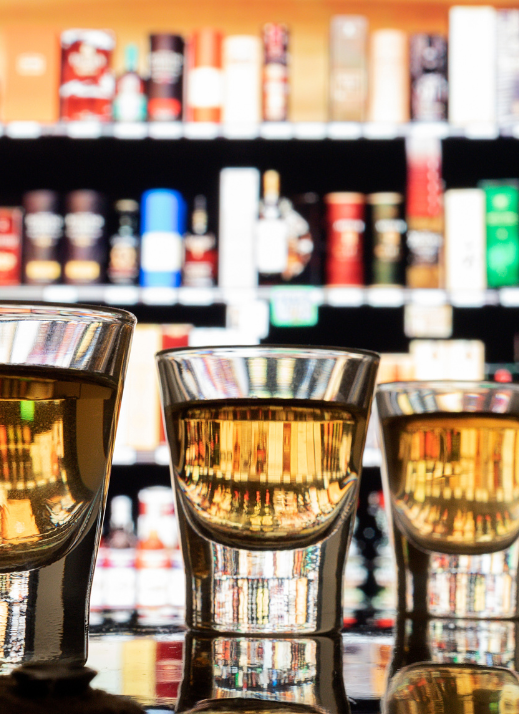
Overservice Investigations Begin With What Staff could be seeing
A Dram Shop expert witness examines whether alcohol-service decisions were consistent with recognized industry practices and the specific circumstances employees faced.
It isn’t enough to prove that the bartender knew of the warning signs. Investigative investigations must take into consideration the manner in which the customer behaved as well as the timing of the service, the observation of staff members, and any other evidence.
Surveillance footage may capture employees having conversations with one with each other, performing strange movements or having trouble walking. Witness testimony can provide further background, however their perceptions may differ. What’s important to distinguish between is what investigators learnt after an incident, and what the staff ought to have known at the time of the incident.
One tab isn’t always the same as One Drink
The points-of-sale records are helpful, but they need experience in hospitality to understand. A single customer might purchase multiple rounds of wine for friends. Bottle-service transactions could include more than one individual. Different bartenders could process orders without recognizing that another employee served the order.
An Alcohol expert witness can examine transaction times, beverage quantities, surveillance recordings, and staffing records to develop a more complete service timeline.
This investigation could reveal times when employees were able intervene or recognize that they were drinking. It could also be used to pinpoint situations where evidence isn’t sufficient to establish who had consumed specific beverages.
The floor is where the training takes place.
Employee certifications are important however, they don’t define how a facility operated during a particular shift.
Investigations may examine whether or not employees are adequately trained, whether they are aware of the procedures for intervention and if the managers have enhanced policies.
Preston Rideout has over 30 years experience working in the hospitality sector, including bartending as well as nightclub management. He also offers advice on beverage programs.
He also holds 112 seller server certifications that cover 48 states as well as the District of Columbia, according to his professional credentials.
This combination allows him both to review the training staff received as well as the operational decisions they made. Bartenders, for example may be able to spot an issue but do don’t know how to reach management or record a refusal of service. It is therefore important to assess the supervisor’s capacity to oversee.
Insurance Investigations may ask similar Questions
A expert witness in Liquor Liability often addresses the same operational issues for coverage counsel, insurers defense lawyers, and coverage counsel. While the terms used could differ, the examination is still centered on alcohol services, employee conduct supervision of management, as well as training.
A comprehensive review may include incident reports and written policies. It may also include video recordings of employee schedules, employee calendars or other certificates. It is not the responsibility of an expert to automatically appoint the company that employs them. The expert’s responsibility is to explain the findings that they have discovered, to determine the best practices for industry and acknowledge the limitations that are significant.
Experience can help explain the decision-making that are behind the Records
Rideout has served as an alcohol service witness and hospitality cases across 11 states. He has worked for both the plaintiff and defense attorneys.
His research covers bars, nightclubs, hotels and other establishments along with resorts, casinos, and other venues in which alcohol is frequently served. Every setting is different in terms staffing and management challenges.
Bartenders working in a restaurant’s dining area may be able to better observe clients than an employee working at a counter in a nightclub. Understanding the distinctions will aid in determining the proper operational context.
Reliable opinions won’t fill gaps with assumptions
Dram shop laws vary by the jurisdiction and expert testimony is not to be confused an official determination of the liability. The most accurate analysis explains what employees did in the past, what standards of service required, and what conclusion the evidence confirms.
Sometimes the records reveal the absence of established procedures. In other cases, they demonstrate that employees followed appropriate practices or leave important questions unanswered.
For attorneys evaluating alcohol-related claims the distinction is crucial. An expert opinion is more than a description of the event. It allows the judge to know what was going on inside the establishment prior to the evening was over.