
The advances in technology for banking have significantly automatized bookkeeping. However anyone dealing with financial records should be aware that the automation process doesn’t always perform as expected. In the case of feeds from banks, transactions may be unavailable, and clients still send statements as PDFs. In the end, someone must change a PDF document that was that is intended to be read into a format that accounting software actually uses.
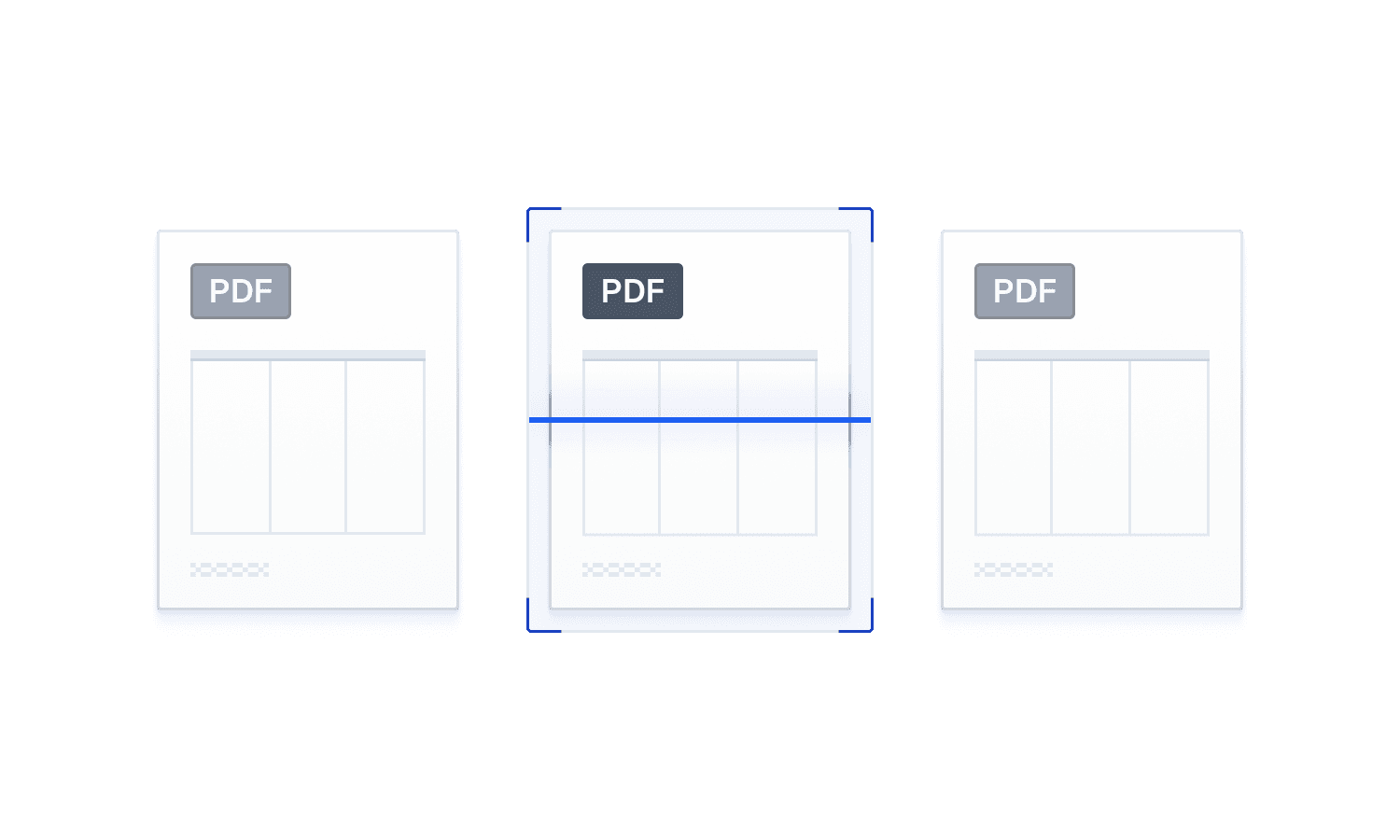
Image credit: docubrew.com
Bank statement converters will help you save time by automating the process. Instead of manually entering dates description, withdrawals, and deposits row-by-row, Docubrew converts statements into structured spreadsheet-ready data.
When a PDF Becomes the Missing Piece
Imagine a bookkeeper making the year-end reconciliation for new customers. The accounting system has recently completed transactions but some months are missing. The client downloaded original statements in PDF format.
Traditionally, rebuilding in those months may require hours of copying figures into a spreadsheet. The bank statement in PDF format to Excel workflow offers a viable alternative. Docubrew can extract information about transactions from digital PDFs as well as scanned bank statements on paper.
For professionals who regularly need to move a bank statement to Excel, reducing manual transcription also removes an unnecessary opportunity for typing errors.
Keep the Pages That Actually are Important
Statements from banks don’t contain only transactions. A 12-page report could contain a cover page, account summary and disclosures or notices as well as a variety of pages of transactions at the bank.
Docubrew lets users look at the document before they open it, and select the relevant pages prior to conversion. This makes it easy to convert bank statements to Excel, without having to add unrelated content.
Once the file has been processed, it can be opened in Excel or used in accounting platforms such QuickBooks, Xero, FreshBooks and many more.
CSV offers a flexible accounting workflow
CSV remains useful because it is widely used by spreadsheets, databases and accounting applications. Docubrew can transform bank statements into CSV based on the table of transactions.
The same workflow can be used to transform bank statements to CSV for a number of reasons, such as reconstructing old books, working on projects to clear unutilized client data, looking into missing transactions or preparing the information to be used in reconciliation.
Batch processing is especially beneficial for accounting firms that are processing multiple statements or clients at the same time.
Financial Documents Deserve Thoughtful Privacy Controls
Processing financial records isn’t just about the convenience. Bookkeeping and accounting professionals could be concerned about where they process the data as bank statements are confidential client data.
Docubrew provides two choices. Windows desktop software runs files stored on the personal computer of the user. These statements are not uploaded to be converted. The cloud version that is encrypted is available to those who prefer working with a browser. Uploads are removed automatically after 24 hours.
The choice of this platform is different from bank statement to Excel software that depends exclusively on remote processing.
Turning Document Archives Back Into Working Data
The PDF statement is a fantastic document, however it’s a pain should you need to sort, reconcile, filter, or import transactions in other systems. Scanned files can pose problematic since transaction data can only be available in the form of an image.
Docubrew is a powerful tool that uses OCR and statement parsing to turn scans of documents into useful financial information. This offers accountants, bookkeepers, and business owners the opportunity to turn archival financial paperwork into useful transactional data.
This simple solution improves the process of keeping the original bank statement, while making its transaction table available to data that you can use.